Eco-Friendly Building Materials: Transforming Homes in Central California


Introduction to Eco-Friendly Building Materials
As environmental awareness grows, the construction industry in Central California is increasingly turning to eco-friendly building materials. These materials not only reduce the carbon footprint of new homes but also offer numerous benefits to homeowners. From energy efficiency to improved indoor air quality, the advantages of sustainable building materials are transformative.
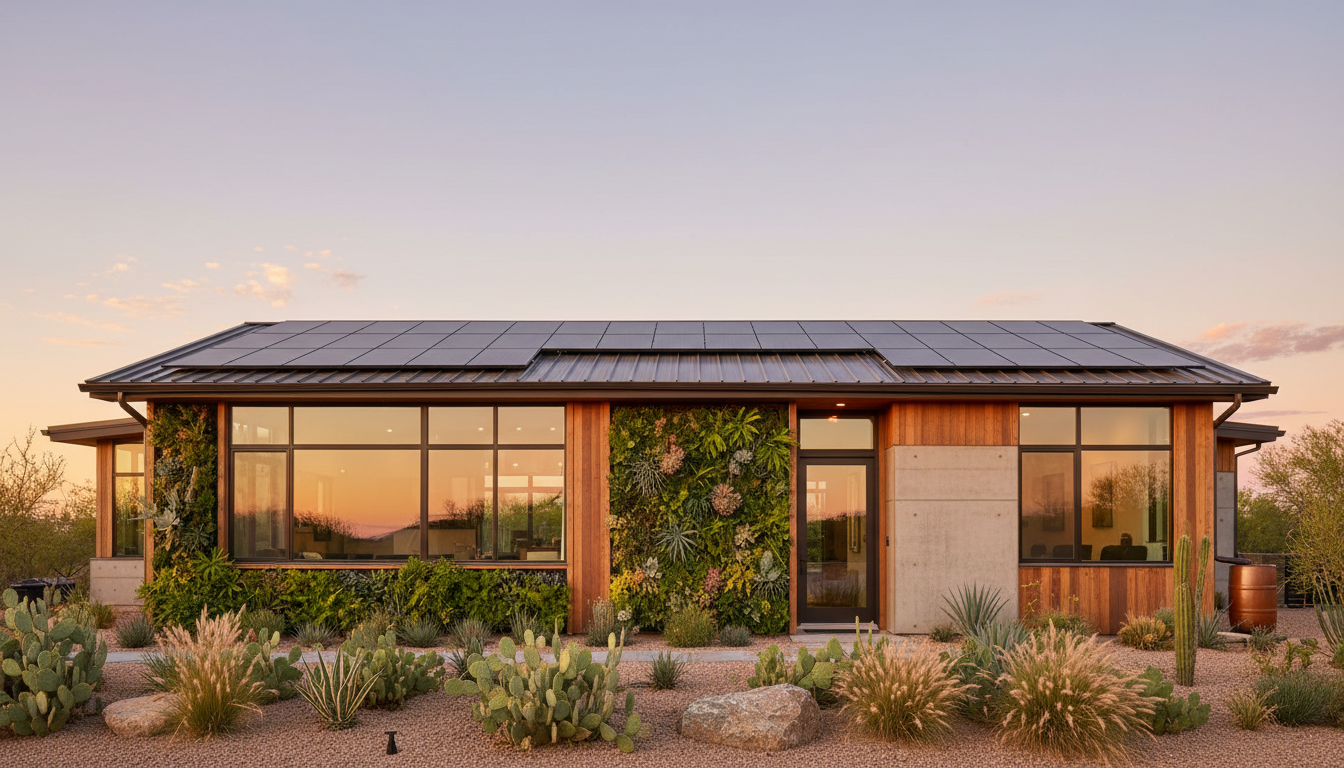
The Benefits of Sustainable Materials
Eco-friendly building materials offer several advantages over traditional options. One of the most significant benefits is energy efficiency. Materials like bamboo, recycled steel, and reclaimed wood help maintain a consistent indoor temperature, reducing the need for excessive heating or cooling.
Another advantage is durability. Many sustainable materials, such as concrete with fly ash or recycled plastic composites, are designed to last longer than conventional alternatives, minimizing the need for frequent repairs or replacements.
Healthier Living Environments
Using eco-friendly materials can lead to healthier living spaces. These materials often contain fewer chemicals and toxins, improving indoor air quality. For example, low-VOC paints and finishes reduce the presence of harmful volatile organic compounds in the home, contributing to better respiratory health.
Popular Eco-Friendly Materials in Central California
Central California builders are embracing a variety of sustainable materials. Here are some popular choices:
- Bamboo: A fast-growing, renewable resource used for flooring, cabinetry, and even structural elements.
- Recycled Steel: Reduces the need for new steel production and is highly durable.
- Straw Bales: Excellent for insulation and often used in walls for energy-efficient homes.
Innovative Techniques in Eco-Friendly Construction
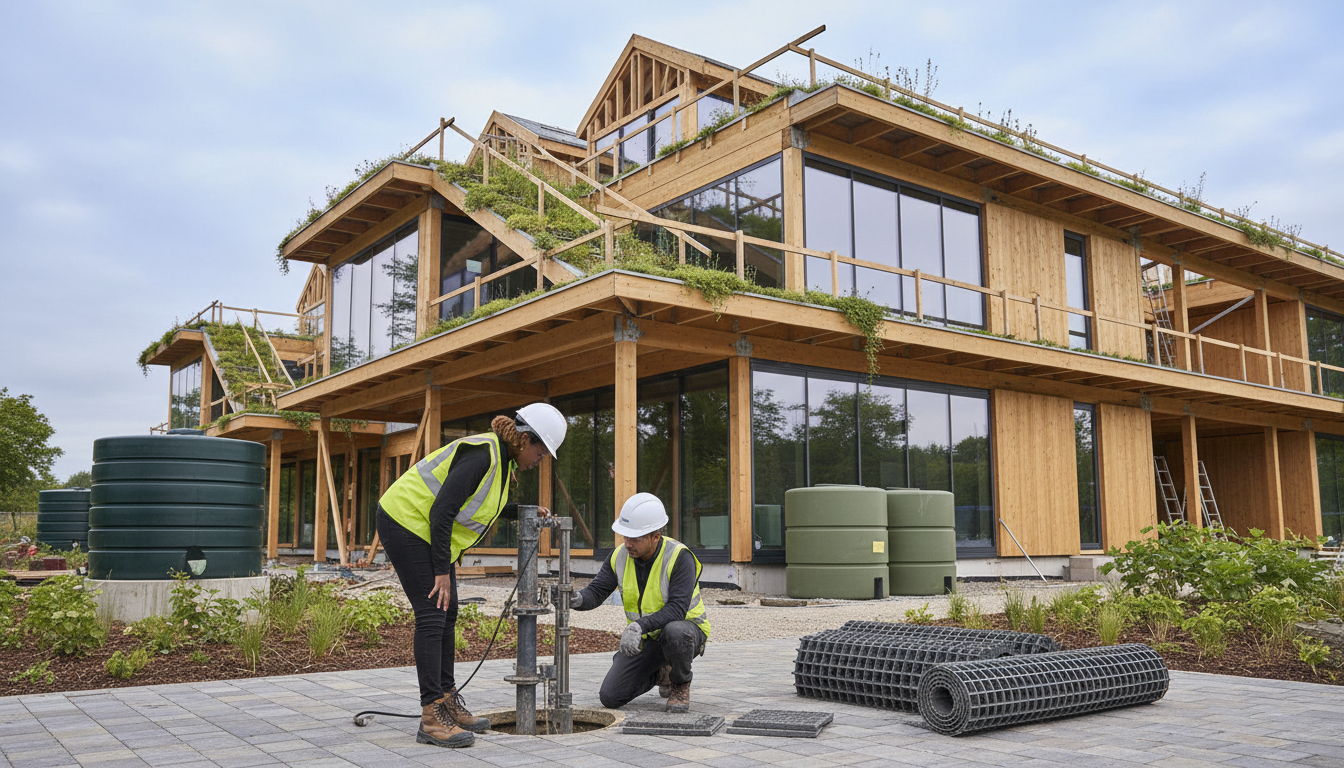
Builders in Central California are also adopting innovative techniques to maximize the benefits of eco-friendly materials. For example, passive solar design utilizes natural sunlight to heat homes, reducing reliance on artificial heating. Green roofs, which incorporate vegetation, provide insulation and help manage rainwater.
Challenges and Considerations
While the benefits are clear, there are challenges to using eco-friendly materials. Initial costs can be higher than traditional materials, though this is often offset by long-term savings on energy and maintenance. Additionally, finding skilled builders familiar with sustainable practices can be a hurdle.
It's also essential to consider the local environment when selecting materials. What works well in one climate might not be suitable for another, so understanding the specific needs of Central California's environment is crucial.
The Future of Eco-Friendly Homes
The future looks promising for eco-friendly building materials in Central California. As technology advances and awareness increases, these materials are becoming more accessible and affordable. Homeowners are increasingly prioritizing sustainability, driving demand for greener construction practices.
Ultimately, embracing eco-friendly materials is a step towards a more sustainable and healthy future, transforming the way homes are built and lived in across Central California.